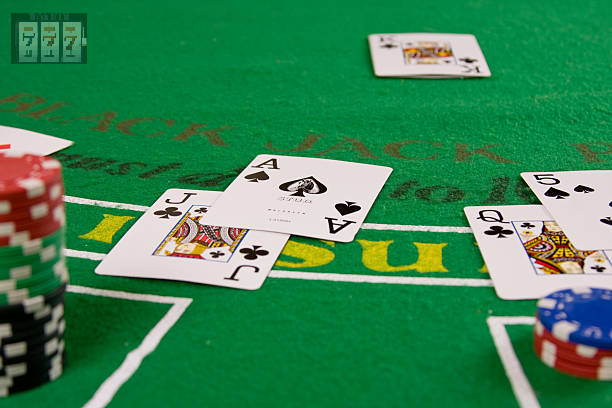
De grootste casino overvallen wat kunnen we leren

De grootste casino overvallen wat kunnen we leren

De geschiedenis van casino overvallen

Casino overvallen hebben een rijke en vaak schokkende geschiedenis die teruggaat tot het ontstaan van gokhuizen zelf. In de vroege 20e eeuw begonnen criminaliteit en gokken hand in hand te gaan, met als gevolg dat talloze overvallen op casino’s plaatsvonden. Vaak werden deze overvallen uitgevoerd door goed georganiseerde bendes die gebruik maakten van geweld en intimidatie om geld en waardevolle spullen te stelen. Een van de bekendste overvallen in de geschiedenis is die op het Bellagio in Las Vegas, waarbij een gemaskerde man bijna twee miljoen dollar aan chips wist te stelen. In de hedendaagse wereld zijn er presenteren de top 10 casino online nl die veilig en betrouwbaar gokken bevorderen.

Deze overvallen hebben niet alleen gevolgen voor de financiële situatie van de casino’s, maar ook voor de veiligheid en het imago van de sector. De effecten zijn voelbaar in de gehele gokindustrie, wat leidde tot strengere beveiligingsmaatregelen en veranderingen in de operationele protocollen van veel casino’s. Het is belangrijk om de lessen uit deze gebeurtenissen te trekken en te begrijpen hoe ze de industrie hebben gevormd.

Het analyseren van de meest beruchte casino overvallen helpt ons niet alleen de methodes van criminelen te begrijpen, maar ook de manieren waarop casino’s zich hebben aangepast. Van het implementeren van betere beveiligingstechnologieën tot het trainen van personeel in noodsituaties, de reacties op deze overvallen zijn vaak innovatief en effectief gebleken. De combinatie van technologie en menselijk inzicht heeft ervoor gezorgd dat de meeste moderne casino’s veel moeilijker te overvallen zijn.

Bekende casino overvallen

Een van de meest spraakmakende overvallen vond plaats in 2010 in het Holland Casino in Amsterdam, waar een gewapende man het casino binnenstormde en personeel en bezoekers bedreigde. Dit incident heeft geleid tot een herziening van de veiligheidsprotocollen in het casino. De dader werd uiteindelijk gepakt, maar de gevolgen waren verstrekkend, wat nogmaals onderstreept dat zelfs goed beveiligde locaties kwetsbaar zijn voor criminele activiteiten.

Een andere opmerkelijke overval vond plaats in 2003 in het casino van Atlantic City, waar een bende een complexe overval uitvoerde door gebruik te maken van een ondergronds tunnelsysteem. Dit toont aan dat overvallers vaak creatief zijn in hun benadering, wat een uitdaging vormt voor de beveiliging. De inzet van moderne technologieën, zoals surveillancesystemen en biometrische identificatie, is hierdoor essentieel geworden.

Deze bekende overvallen herinneren ons aan de noodzaak van voortdurende evaluatie en verbetering van de veiligheidsmaatregelen in casino’s. Ze benadrukken ook de rol van de autoriteiten en hoe samenwerking tussen politie en casino-operatoren cruciaal is voor het voorkomen van criminaliteit. Hierdoor is er een sterke focus gekomen op het delen van informatie en gezamenlijke trainingen om de kans op succesvolle overvallen te minimaliseren.

Wat kunnen we leren van deze overvallen?

Een belangrijke les die we kunnen leren van casino overvallen is het belang van risicobeheer. Casino’s moeten voortdurend hun beveiligingssystemen evalueren en verbeteren om potentiële bedreigingen voor te zijn. Dit omvat niet alleen fysieke beveiliging, zoals camera’s en beveiligingspersoneel, maar ook cyberbeveiliging, aangezien de meeste moderne casino’s ook online operaties hebben. Het waarborgen van een veilige omgeving is cruciaal voor het behoud van het vertrouwen van de spelers.

Daarnaast leren we dat de training van personeel cruciaal is. Medewerkers moeten goed getraind zijn in hoe te reageren in noodsituaties. Dit kan variëren van het herkennen van verdachte activiteiten tot het correct handelen tijdens een overval. Regelmatige oefeningen en trainingen kunnen ervoor zorgen dat personeel goed voorbereid is en in staat is om adequaat te reageren op verschillende scenario’s.

Tot slot is het belangrijk om te erkennen dat samenwerking met de lokale autoriteiten essentieel is. Het delen van informatie over eerdere overvallen en verdachte activiteiten kan helpen om toekomstige criminaliteit te voorkomen. Het opzetten van een netwerk van communicatie tussen casino’s en wetshandhavingsinstanties is een effectieve manier om de algehele veiligheid te vergroten en de kans op succesvolle overvallen te verkleinen.

De impact op de gokindustrie

De impact van casino overvallen op de gokindustrie is aanzienlijk. Naast de onmiddellijke financiële verliezen, kunnen dergelijke incidenten ook leiden tot een afname van het aantal bezoekers. Spelers willen zich veilig voelen in hun omgeving, en als een casino wordt gezien als een doelwit, kan dat hun bereidheid om te gokken beïnvloeden. Dit heeft niet alleen gevolgen voor de betrokken casino’s, maar ook voor de bredere economie, aangezien vele lokale bedrijven afhankelijk zijn van de bezoekersstroom van casino’s.

De perceptie van veiligheid is cruciaal, en veel casino’s hebben daarom hun marketingstrategieën aangepast om de veiligheid van hun gasten te benadrukken. Dit kan variëren van het communiceren van verbeterde beveiligingsmaatregelen tot het creëren van een gezelliger en veiliger speelklimaat. Het is van vitaal belang dat casino’s niet alleen aandacht besteden aan hun fysieke beveiliging, maar ook aan hoe ze deze maatregelen communiceren naar hun klanten.

Het is ook belangrijk op te merken dat de gevolgen van overvallen verder reiken dan alleen financiële verliezen. Ze kunnen ook een langdurige impact hebben op de reputatie van een casino. Negatieve publiciteit kan jarenlang aanhouden, en het herstellen van het vertrouwen van spelers kan een langdurig proces zijn. Daarom is het essentieel voor casino’s om niet alleen in beveiliging te investeren, maar ook in hun imago en klantrelaties.

Onze website en verantwoord gokken

Op onze website bieden we uitgebreide informatie over de beste online casino’s in Nederland, waarbij we de focus leggen op veiligheid en verantwoord gokken. We begrijpen dat de ervaringen van spelers centraal staan en daarom evalueren we casino’s op basis van strikte criteria, zoals licenties en transparantie. Dit helpt spelers om een weloverwogen keuze te maken wanneer ze besluiten om te gokken.

Daarnaast promoten we verantwoord gokken en bieden we hulpmiddelen en tips om ervoor te zorgen dat spelers veilig en verantwoord kunnen gokken. We adviseren spelers altijd om bewust en goed geïnformeerd te zijn over hun spelgedrag. Het is belangrijk om de risico’s te begrijpen en ervoor te zorgen dat gokken een leuke en veilige activiteit blijft.

“`

Similar Posts

  • Seizoensgebonden promoties Hoe profiteren van casino bonussen

    Seizoensgebonden promoties Hoe profiteren van casino bonussen

    Wat zijn seizoensgebonden promoties?

    Seizoensgebonden promoties zijn speciale aanbiedingen die online casino’s aanbieden op bepaalde momenten van het jaar, zoals feestdagen, seizoensveranderingen of speciale evenementen. Deze promoties kunnen variëren van bonussen en gratis spins tot toernooien en loyaliteitsprogramma’s. Door deze aanbiedingen kunnen spelers extra waarde halen uit hun speelervaring, vooral tijdens drukke periodes wanneer spelers vaak meer tijd besteden aan gokken. Het is dus interessant om te onderzoeken waar je het beste online nederlands casino kunt vinden.

    Deze promoties zijn vaak gelimiteerd in tijd en kunnen unieke voorwaarden met zich meebrengen. Zo kunnen ze specifieke spellen benadrukken of vereisen dat spelers een bepaalde minimale storting doen. Door goed op de hoogte te zijn van deze seizoensgebonden promoties, kunnen spelers hun kansen om te winnen aanzienlijk vergroten en tegelijkertijd hun speelbudget efficiënter beheren.

    Het is belangrijk voor spelers om regelmatig de websites van hun favoriete online casino’s te controleren, aangezien seizoensgebonden promoties niet altijd van tevoren worden aangekondigd. Het verkrijgen van informatie over deze aanbiedingen kan spelers een concurrentievoordeel geven, waardoor ze gebruik kunnen maken van unieke kansen die anders misschien onopgemerkt zouden blijven.

    Hoe werken casino bonussen?

    Casino bonussen zijn financiële stimulansen die spelers aanmoedigen om zich aan te melden, geld te storten of regelmatig te spelen. Er zijn verschillende soorten bonussen, waaronder welkomstbonussen, stortingsbonussen en loyaliteitsbonussen. Deze bonussen zijn vaak een percentage van het gestorte bedrag, waardoor spelers meer speelgeld krijgen om mee te spelen.

    Naast de financiële voordelen kunnen bonussen ook gepaard gaan met gratis spins op populaire gokkasten. Dit biedt spelers de kans om nieuwe spellen uit te proberen zonder hun eigen geld in te zetten. Het begrijpen van de specifieke voorwaarden van elke bonus, zoals inzetvereisten en vervaldata, is cruciaal voor spelers die optimaal willen profiteren van deze aanbiedingen.

    In veel gevallen kunnen spelers hun winsten uit bonussen pas opnemen nadat ze aan bepaalde inzetvereisten hebben voldaan. Dit betekent dat het belangrijk is om niet alleen de bonus te claimen, maar ook om te begrijpen hoe deze in de praktijk werkt. Door zorgvuldig te lezen en te begrijpen wat er van hen wordt verwacht, kunnen spelers de voordelen van casino bonussen maximaal benutten.

    Tips om te profiteren van seizoensgebonden bonussen

    Om optimaal te profiteren van seizoensgebonden bonussen, is het essentieel om goed onderzoek te doen. Spelers moeten verschillende online casino’s vergelijken en kijken naar de bonussen die tijdens specifieke seizoenen worden aangeboden. Dit kan hen helpen om de meest aantrekkelijke aanbiedingen te vinden die passen bij hun speelstijl en voorkeuren.

    Bovendien is het slim om een budget vast te stellen voordat je gaat spelen. Dit zorgt ervoor dat je niet over je financiële grenzen gaat, zelfs niet als de verleiding groot is door een aantrekkelijke bonus. Door strategisch te spelen en verantwoord om te gaan met geld, kunnen spelers de voordelen van seizoensgebonden bonussen maximaliseren zonder in financiële problemen te komen.

    Daarnaast kunnen spelers zich inschrijven voor nieuwsbrieven van online casino’s. Op deze manier blijven ze op de hoogte van de laatste aanbiedingen en promoties. Veel casino’s sturen exclusieve bonussen naar hun nieuwsbriefabonnees, wat betekent dat je nog meer voordelen kunt behalen door simpelweg je e-mailadres achter te laten.

    Populaire spellen tijdens seizoensgebonden promoties

    Tijdens seizoensgebonden promoties zijn er vaak specifieke spellen die extra in de schijnwerpers staan. Deze spellen kunnen variëren van klassieke gokkasten tot live casinospellen, afhankelijk van de promotie en het casino. Gokken op deze populaire spellen tijdens promoties kan extra voordelen met zich meebrengen, zoals verhoogde uitbetalingen of speciale prijzen.

    Spelers kunnen ook profiteren van toernooien die zijn opgezet rond seizoensgebonden thema’s. Deze toernooien bieden vaak aanzienlijke prijzen en zijn een geweldige manier om competitief spelplezier te ervaren. Door deel te nemen aan deze evenementen kunnen spelers niet alleen hun vaardigheden verbeteren, maar ook de kans krijgen om meer te winnen dan met reguliere spellen.

    Daarnaast zijn er vaak speciale uitbetalingen of jackpots die tijdens deze promoties worden aangeboden. Dit kan spelers extra aanmoedigen om bepaalde spellen uit te proberen, vooral als er een kans is om grote prijzen te winnen. Het is belangrijk voor spelers om de spelvoorwaarden goed door te nemen, zodat ze precies weten wat ze kunnen verwachten en hoe ze het beste gebruik kunnen maken van deze unieke kansen.

    Onze website en de beste aanbiedingen

    Op onze website vind je een uitgebreide en onafhankelijke ranglijst van de beste online casino’s in Nederland. We hebben deze lijst zorgvuldig samengesteld op basis van betrouwbaarheid, spelerservaring en de aangeboden bonussen. Dit helpt spelers om weloverwogen keuzes te maken als het gaat om waar ze willen spelen en profiteren van seizoensgebonden promoties.

    Bovendien bieden we gedetailleerde informatie over de voorwaarden van bonussen, de snelheid van uitbetalingen en veiligheidsaspecten. Dit zorgt ervoor dat spelers goed geïnformeerd zijn voordat ze een beslissing nemen. Het KSA-licentiesysteem wordt ook onder de loep genomen, zodat spelers er zeker van kunnen zijn dat ze bij betrouwbare en veilige casino’s spelen.

    Door onze website regelmatig te bezoeken, blijf je op de hoogte van de laatste aanbiedingen en promoties. Dit geeft je de kans om optimaal gebruik te maken van seizoensgebonden bonussen en je speelervaring te verrijken. Speel verantwoord en ontdek de vele voordelen die de beste online casino’s te bieden hebben.

  • Impacto social del juego ¿Beneficio o perjuicio para la comunidad

    Impacto social del juego ¿Beneficio o perjuicio para la comunidad

    La naturaleza del juego en la sociedad contemporánea

    El juego ha sido parte integral de diversas culturas a lo largo de la historia. En la actualidad, se presenta en múltiples formas, desde juegos de azar hasta videojuegos, y se ha convertido en un fenómeno que atrae a millones de personas. Este entretenimiento puede actuar como una vía de escape o una forma de socialización, creando lazos entre individuos que comparten intereses comunes. Sin embargo, la realidad del juego plantea cuestiones sobre su impacto en la salud mental y el bienestar de la comunidad. Muchos disfrutan de los juegos de azar, pero también deben ser conscientes de que, al acceder a plataformas en línea como Casinacho casino con licencia, hay que gestionar los riesgos involucrados.

    La popularidad de los juegos de azar ha aumentado significativamente, impulsada por la accesibilidad que ofrecen las plataformas en línea. Esto ha llevado a un debate sobre si estas actividades benefician o perjudican a la sociedad. En muchas ocasiones, el juego puede ser visto como un pasatiempo inofensivo, pero también puede convertirse en una adicción que afecta no solo al individuo, sino también a su círculo social y familiar. Así, el juego se presenta como un fenómeno complejo que merece un análisis profundo.

    Además, el papel de los medios de comunicación en la promoción del juego no puede ser subestimado. Series de televisión, películas y publicidad contribuyen a normalizar y glamourizar esta actividad. Esto crea una percepción de que el juego es una forma legítima de ganar dinero y disfrutar de la vida, lo que puede llevar a comportamientos de riesgo en poblaciones vulnerables. El impacto social del juego es, por lo tanto, un tema que merece atención y reflexión crítica.

    Beneficios potenciales del juego en la comunidad

    A pesar de las connotaciones negativas que a menudo se asocian con el juego, hay aspectos positivos que se deben considerar. Una de las principales ventajas es la creación de empleo en diversas industrias relacionadas con el juego, desde los casinos hasta la producción de videojuegos. Esta generación de empleo puede contribuir al desarrollo económico local y a la mejora de la calidad de vida en ciertas comunidades.

    Además, el juego puede servir como una herramienta de cohesión social. Las actividades lúdicas y las competencias pueden fortalecer las relaciones entre los miembros de una comunidad, fomentando un sentido de pertenencia. Los eventos comunitarios relacionados con el juego, como torneos y ferias, pueden unir a personas de diferentes orígenes, promoviendo la inclusión y el disfrute colectivo.

    Asimismo, algunas iniciativas de juego están dirigidas a recaudar fondos para causas benéficas. A través de loterías y sorteos, las organizaciones pueden financiar programas educativos, de salud y de desarrollo social. Esto demuestra que, en ciertos contextos, el juego puede ser utilizado como un medio para generar un impacto positivo en la comunidad, siempre y cuando se realice de forma responsable y ética.

    Riesgos asociados al juego y sus efectos adversos

    No obstante, es crucial reconocer los riesgos inherentes al juego. La adicción al juego es un problema serio que afecta a personas de todas las edades y trasfondos. Esta dependencia puede llevar a problemas financieros, familiares y de salud mental. Las personas afectadas a menudo experimentan sentimientos de culpa, vergüenza y aislamiento, lo que afecta su calidad de vida y su capacidad para contribuir positivamente a la comunidad.

    El impacto negativo del juego también se manifiesta en el aumento de la criminalidad en algunas áreas. Las personas que luchan con problemas de juego pueden recurrir a actividades ilegales para financiar sus hábitos, lo que genera un ciclo de delitos y desconfianza en la comunidad. Esto puede resultar en un entorno social más peligroso y menos cohesionado, afectando no solo a los jugadores, sino también a sus familias y vecinos.

    El juego también puede exacerbar desigualdades sociales preexistentes. Las personas de bajos ingresos a menudo se ven más afectadas por los problemas relacionados con el juego, ya que pueden ver en él una salida a sus dificultades económicas. Esto puede llevar a un empeoramiento de la situación financiera, perpetuando un ciclo de pobreza que es difícil de romper. Por lo tanto, es fundamental implementar políticas que aborden estos problemas y protejan a las comunidades más vulnerables.

    La importancia de la educación y la prevención

    La educación juega un papel crucial en la mitigación de los efectos negativos del juego. Las campañas de concientización pueden ayudar a las personas a comprender los riesgos asociados y fomentar un enfoque responsable hacia el juego. La implementación de programas educativos en escuelas y comunidades puede proporcionar herramientas para reconocer y manejar el riesgo de la adicción al juego, promoviendo un ambiente más saludable y consciente.

    Además, es esencial que las autoridades reguladoras establezcan políticas que protejan a los consumidores y limiten el acceso de los grupos vulnerables a las actividades de juego. Esto incluye la creación de líneas de ayuda para aquellos que luchan con problemas de adicción y la promoción de prácticas de juego responsable en las plataformas de apuestas. Las medidas de prevención son clave para equilibrar los beneficios y riesgos del juego en la comunidad.

    El apoyo psicológico también es fundamental para aquellos que sufren de adicción al juego. Programas de rehabilitación y grupos de apoyo pueden proporcionar un espacio seguro donde las personas pueden compartir sus experiencias y recibir ayuda. Al abordar tanto los aspectos educativos como de apoyo, se puede construir una comunidad más resiliente que enfrente los desafíos del juego de manera efectiva.

    Reflexiones sobre el juego y su futuro en la comunidad

    El futuro del juego en la comunidad dependerá de cómo se gestionen sus beneficios y riesgos. La conciencia social sobre los problemas relacionados con el juego está aumentando, y es importante que tanto los individuos como las instituciones se comprometan a crear un entorno más seguro. La regulación adecuada y la responsabilidad social son cruciales para garantizar que el juego pueda ser disfrutado sin causar daño a quienes participan.

    Asimismo, la evolución de la tecnología está cambiando la forma en que interactuamos con el juego. Las plataformas digitales ofrecen nuevas oportunidades, pero también presentan desafíos en términos de regulación y protección del consumidor. Es vital que las comunidades se mantengan informadas sobre estas tendencias y trabajen juntas para implementar medidas que protejan a los jugadores.

    Finalmente, el diálogo abierto sobre el juego y sus implicaciones sociales es esencial para construir un futuro más saludable. Se deben fomentar espacios donde las personas puedan expresar sus preocupaciones y compartir experiencias. Solo a través de una colaboración comunitaria se podrá encontrar un equilibrio que permita disfrutar de los beneficios del juego mientras se minimizan sus riesgos.

  • Coronavirus disease 2019

    COVID-19 is a contagious disease caused by the coronavirus SARS-CoV-2. In January 2020, the disease spread worldwide, resulting in the COVID-19 pandemic.

    The symptoms of COVID‑19 can vary but often include fever,[7] fatigue, cough, breathing difficulties, loss of smell, and loss of taste.[8][9][10] Symptoms may begin one to fourteen days after exposure to the virus. At least a third of people who are infected do not develop noticeable symptoms.[11][12] Of those who develop symptoms noticeable enough to be classified as patients, most (81%) develop mild to moderate symptoms (up to mild pneumonia), while 14% develop severe symptoms (dyspnea, hypoxia, or more than 50% lung involvement on imaging), and 5% develop critical symptoms (respiratory failure, shock, or multiorgan dysfunction).[13] Older people have a higher risk of developing severe symptoms. Some complications result in death. Some people continue to experience a range of effects (long COVID) for months or years after infection, and damage to organs has been observed.[14] Multi-year studies on the long-term effects are ongoing.[15]

    COVID‑19 transmission occurs when infectious particles are breathed in or come into contact with the eyes, nose, or mouth. The risk is highest when people are in close proximity, but small airborne particles containing the virus can remain suspended in the air and travel over longer distances, particularly indoors. Transmission can also occur when people touch their eyes, nose, or mouth after touching surfaces or objects that have been contaminated by the virus. People remain contagious for up to 20 days and can spread the virus even if they do not develop symptoms.[16]

    Testing methods for COVID-19 to detect the virus’s nucleic acid include real-time reverse transcription polymerase chain reaction (RT‑PCR),[17][18] transcription-mediated amplification,[17][18][19] and reverse transcription loop-mediated isothermal amplification (RT‑LAMP)[17][18] from a nasopharyngeal swab.[20]

    Several COVID-19 vaccines have been approved and distributed in various countries, many of which have initiated mass vaccination campaigns. Other preventive measures include physical or social distancing, quarantining, ventilation of indoor spaces, use of face masks or coverings in public, covering coughs and sneezes, hand washing, and keeping unwashed hands away from the face. While drugs have been developed to inhibit the virus, the primary treatment is still symptomatic, managing the disease through supportive care, isolation, and experimental measures.

  • Coronavirus disease 2019

    COVID-19 is a contagious disease caused by the coronavirus SARS-CoV-2. In January 2020, the disease spread worldwide, resulting in the COVID-19 pandemic.

    The symptoms of COVID‑19 can vary but often include fever,[7] fatigue, cough, breathing difficulties, loss of smell, and loss of taste.[8][9][10] Symptoms may begin one to fourteen days after exposure to the virus. At least a third of people who are infected do not develop noticeable symptoms.[11][12] Of those who develop symptoms noticeable enough to be classified as patients, most (81%) develop mild to moderate symptoms (up to mild pneumonia), while 14% develop severe symptoms (dyspnea, hypoxia, or more than 50% lung involvement on imaging), and 5% develop critical symptoms (respiratory failure, shock, or multiorgan dysfunction).[13] Older people have a higher risk of developing severe symptoms. Some complications result in death. Some people continue to experience a range of effects (long COVID) for months or years after infection, and damage to organs has been observed.[14] Multi-year studies on the long-term effects are ongoing.[15]

    COVID‑19 transmission occurs when infectious particles are breathed in or come into contact with the eyes, nose, or mouth. The risk is highest when people are in close proximity, but small airborne particles containing the virus can remain suspended in the air and travel over longer distances, particularly indoors. Transmission can also occur when people touch their eyes, nose, or mouth after touching surfaces or objects that have been contaminated by the virus. People remain contagious for up to 20 days and can spread the virus even if they do not develop symptoms.[16]

    Testing methods for COVID-19 to detect the virus’s nucleic acid include real-time reverse transcription polymerase chain reaction (RT‑PCR),[17][18] transcription-mediated amplification,[17][18][19] and reverse transcription loop-mediated isothermal amplification (RT‑LAMP)[17][18] from a nasopharyngeal swab.[20]

    Several COVID-19 vaccines have been approved and distributed in various countries, many of which have initiated mass vaccination campaigns. Other preventive measures include physical or social distancing, quarantining, ventilation of indoor spaces, use of face masks or coverings in public, covering coughs and sneezes, hand washing, and keeping unwashed hands away from the face. While drugs have been developed to inhibit the virus, the primary treatment is still symptomatic, managing the disease through supportive care, isolation, and experimental measures.

  • Coronavirus disease 2019

    Coronavirus disease 2019

    COVID-19 is a contagious disease caused by the coronavirus SARS-CoV-2. In January 2020, the disease spread worldwide, resulting in the COVID-19 pandemic.

    The symptoms of COVID‑19 can vary but often include fever,[7] fatigue, cough, breathing difficulties, loss of smell, and loss of taste.[8][9][10] Symptoms may begin one to fourteen days after exposure to the virus. At least a third of people who are infected do not develop noticeable symptoms.[11][12] Of those who develop symptoms noticeable enough to be classified as patients, most (81%) develop mild to moderate symptoms (up to mild pneumonia), while 14% develop severe symptoms (dyspnea, hypoxia, or more than 50% lung involvement on imaging), and 5% develop critical symptoms (respiratory failure, shock, or multiorgan dysfunction).[13] Older people have a higher risk of developing severe symptoms. Some complications result in death. Some people continue to experience a range of effects (long COVID) for months or years after infection, and damage to organs has been observed.[14] Multi-year studies on the long-term effects are ongoing.[15]

    COVID‑19 transmission occurs when infectious particles are breathed in or come into contact with the eyes, nose, or mouth. The risk is highest when people are in close proximity, but small airborne particles containing the virus can remain suspended in the air and travel over longer distances, particularly indoors. Transmission can also occur when people touch their eyes, nose, or mouth after touching surfaces or objects that have been contaminated by the virus. People remain contagious for up to 20 days and can spread the virus even if they do not develop symptoms.[16]

    Testing methods for COVID-19 to detect the virus’s nucleic acid include real-time reverse transcription polymerase chain reaction (RT‑PCR),[17][18] transcription-mediated amplification,[17][18][19] and reverse transcription loop-mediated isothermal amplification (RT‑LAMP)[17][18] from a nasopharyngeal swab.[20]

    Several COVID-19 vaccines have been approved and distributed in various countries, many of which have initiated mass vaccination campaigns. Other preventive measures include physical or social distancing, quarantining, ventilation of indoor spaces, use of face masks or coverings in public, covering coughs and sneezes, hand washing, and keeping unwashed hands away from the face. While drugs have been developed to inhibit the virus, the primary treatment is still symptomatic, managing the disease through supportive care, isolation, and experimental measures.

  • Exploring the social dynamics of gambling in modern casinos

    Exploring the social dynamics of gambling in modern casinos

    The Evolution of Casino Culture

    The landscape of gambling has transformed dramatically over the decades, with modern casinos evolving into vibrant social hubs. Initially perceived as places solely for high-stakes games, casinos today incorporate a wide variety of entertainment options, including fine dining, live performances, and themed events. In this dynamic environment, platforms like Tenobet have emerged, catering to a diverse audience, ranging from casual visitors seeking a night out to serious gamblers focused on strategy and competition. The integration of diverse entertainment also reflects changing societal attitudes toward gambling, which is increasingly normalized in many cultures.

    Modern casinos are designed with social interaction in mind, featuring open layouts that encourage mingling. The physical environment plays a significant role in shaping social dynamics; brightly lit areas and interactive gaming experiences foster a sense of community among patrons. For instance, communal gaming tables often promote conversation and camaraderie, leading to shared experiences that enhance the gambling atmosphere. This blend of entertainment and social interaction contributes to an engaging environment that appeals to various demographics.

    The rise of online casinos and mobile gaming platforms has also influenced traditional casino culture. Many physical establishments have adapted by incorporating technology that enhances the social experience, such as live dealer games that allow remote players to interact with one another in real-time. This convergence of online and offline gambling creates new avenues for social interaction, merging the convenience of digital platforms with the communal aspects of in-person gaming.

    The Psychology Behind Gambling Behavior

    Understanding the psychological factors that drive gambling behavior is crucial for comprehending social dynamics within casinos. Many gamblers are motivated by the thrill of risk and reward, making the experience highly addictive for some individuals. Casinos capitalize on these psychological triggers through the strategic design of games and environments that maximize engagement. The lights, sounds, and rewards create an atmosphere that encourages prolonged participation and social interaction among players.

    Social reinforcement also plays a critical role in gambling behavior. People often seek validation and companionship from fellow gamblers, which can amplify their desire to participate. Winning can lead to increased social bonding, as players share their successes and strategies with others. Conversely, losses can also be a shared experience, prompting discussions about luck, skill, and personal narratives that build rapport among players. This interaction can be particularly pronounced in games that require teamwork or collaboration.

    Moreover, the presence of alcohol and other incentives in casinos can alter perceptions and behaviors. Many establishments offer complimentary drinks to players, which can reduce inhibitions and lead to riskier gambling. This dynamic emphasizes the importance of responsible gaming practices, as social factors can sometimes cloud judgment and lead to harmful gambling behavior. Recognizing these psychological aspects is essential for both casinos and players to foster a safer gambling environment.

    Responsible Gaming Practices and Community Engagement

    As the popularity of gambling continues to rise, the importance of responsible gaming practices becomes increasingly evident. Modern casinos are taking proactive steps to promote safe gambling behaviors, aiming to mitigate the risks associated with addiction and problem gambling. Initiatives such as self-exclusion programs, educational materials, and support services demonstrate a commitment to player well-being while fostering a more sustainable gaming environment.

    Casinos are also embracing community engagement as a way to build trust and enhance their reputations. Collaborations with local organizations and mental health professionals help to create awareness about responsible gaming. Events such as workshops and seminars serve as platforms for educating players about the potential risks of gambling, equipping them with the knowledge needed to make informed choices. By positioning themselves as responsible corporate citizens, casinos can strengthen their community ties while fostering a healthier gaming culture.

    Additionally, technological advancements have enabled casinos to implement sophisticated tracking systems that monitor player behavior. These systems help identify patterns that may indicate problematic gambling, allowing for early intervention. By prioritizing responsible gaming practices, casinos not only protect players but also cultivate a more positive social environment that encourages responsible participation. This holistic approach to gambling can lead to a more sustainable future for both the industry and its patrons.

    The Role of Social Interaction in Gambling Experience

    Social interaction plays a pivotal role in shaping the overall gambling experience within casinos. Many players find that the camaraderie built around gaming enhances their enjoyment and satisfaction. The social dynamics present in casinos often create a sense of belonging, making players feel part of a larger community united by shared interests. This communal aspect can serve as a powerful motivator, drawing individuals back to the casino time and again.

    Moreover, the variety of games available encourages different forms of social interaction. For example, table games like blackjack and poker often require players to engage with one another, discussing strategies or reacting to each other’s moves. These interactions can foster friendships and even rivalries, enriching the gaming experience. The social components of gambling can also alleviate the stress and isolation that some players might feel in their daily lives, providing a valuable outlet for connection.

    However, it is crucial to balance social interaction with responsible gaming practices. While the communal aspects can enhance the experience, they can also lead to impulsive decisions driven by peer pressure. Understanding this dynamic is vital for casinos aiming to create a safe and enjoyable environment. By promoting responsible gaming while encouraging social bonds, casinos can facilitate a positive atmosphere that benefits both players and the industry as a whole.

    Conclusion: The Future of Gambling Social Dynamics

    As the gambling landscape continues to evolve, the social dynamics within casinos will undoubtedly adapt alongside technological advancements and changing cultural attitudes. The integration of online gaming elements with traditional casino experiences is likely to reshape how players interact and engage with one another. Innovations in virtual reality, for instance, may offer new avenues for socializing and gaming that transcend the physical boundaries of casinos.

    Furthermore, the ongoing emphasis on responsible gaming practices will play a crucial role in shaping the future of gambling social dynamics. As casinos prioritize player well-being and community engagement, they will build a more sustainable and responsible gaming environment. This focus not only protects players but also enhances the overall reputation of the casino industry, fostering a culture of trust and accountability.

    Ultimately, the social dynamics of gambling in modern casinos reflect a complex interplay of psychological, cultural, and technological factors. As the industry continues to evolve, understanding these dynamics will be essential for creating an inclusive, enjoyable, and responsible gaming environment that resonates with diverse audiences. By prioritizing community, education, and social interaction, casinos can ensure a bright and engaging future for all players.

Leave a Reply

Your email address will not be published. Required fields are marked *